Gardens that move with the seasons, not against them.
Structure-and-matrix planting design in the New Perennial tradition: drift-based, four-season, and built to be left standing through winter.


I’ve spent the last decade learning to read a site the way a meadow would.
There’s no formal training behind that, only years of paying close attention. I taught myself through reading, hands-on experimentation, and a lot of trial and error: rooting cuttings, watching what survived, starting over. I designed my own garden first. A few neighbors assumed a professional had done it and asked me to do theirs next.
What I’m really after is a feeling, not just a finished look: the way a native plant can pull you back toward where you’re from, or how a stand of grass changes with the light. Before I plant anything, I sit outside and watch. Which way the house faces, where the sun moves through the day, what the site already wants to be. The design comes from there.
A garden designed to hold its shape year-round.
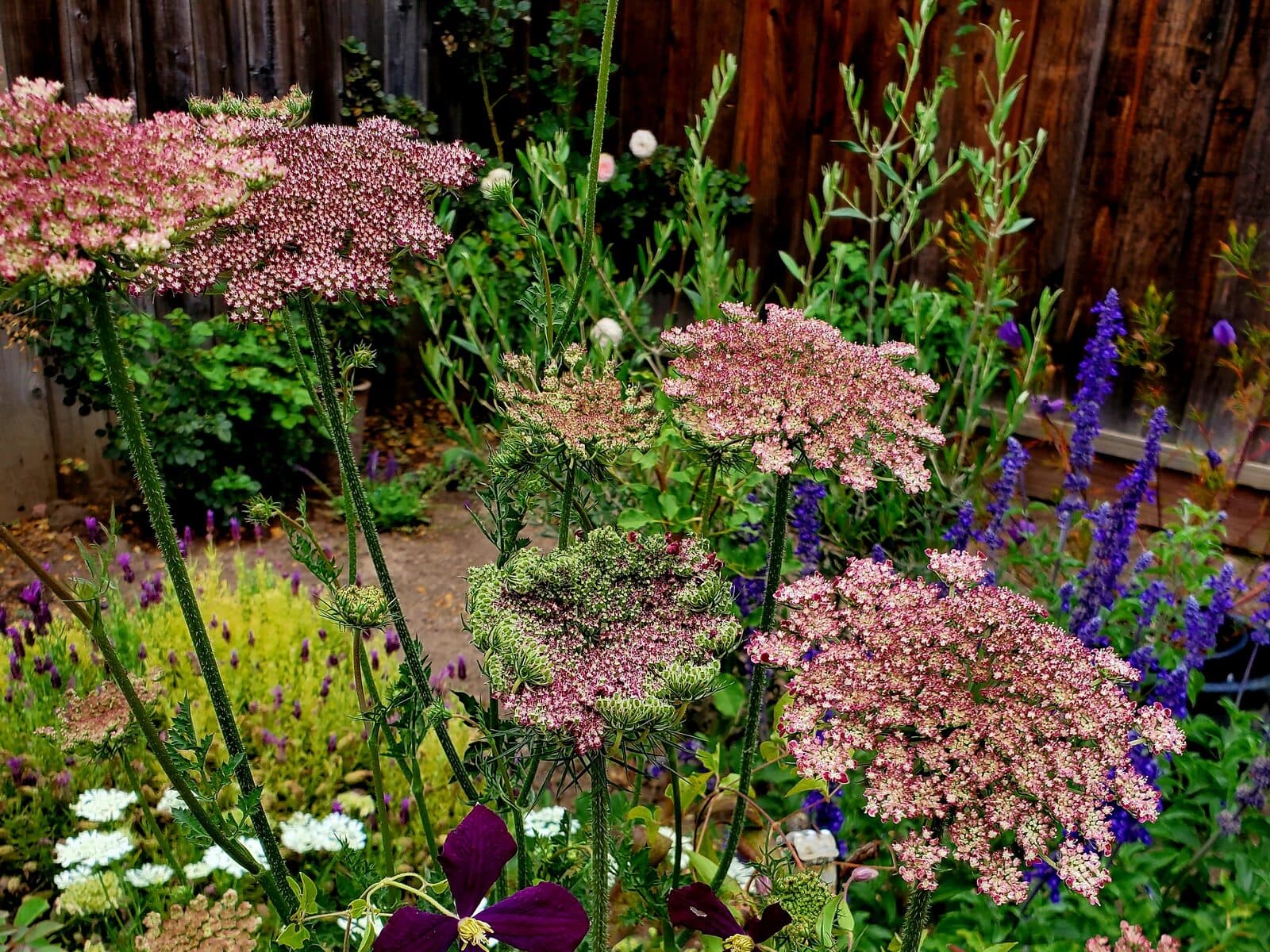
Most planting design chases a single peak moment, then goes bare. This approach builds gardens in two layers instead: a structure of long-lived, architectural perennials and grasses, woven through with a matrix, a lower groundcover layer that knits everything together and suppresses weeds on its own.
Plants are placed in drifts, not rows or specimens, the way they’d seed themselves in the wild. And nothing gets cut back in fall. Seedheads, grass plumes, and dried stems carry the garden through winter, catching frost and holding birds, before it’s cut back fresh in early spring.
The garden looks designed in July. And in January.

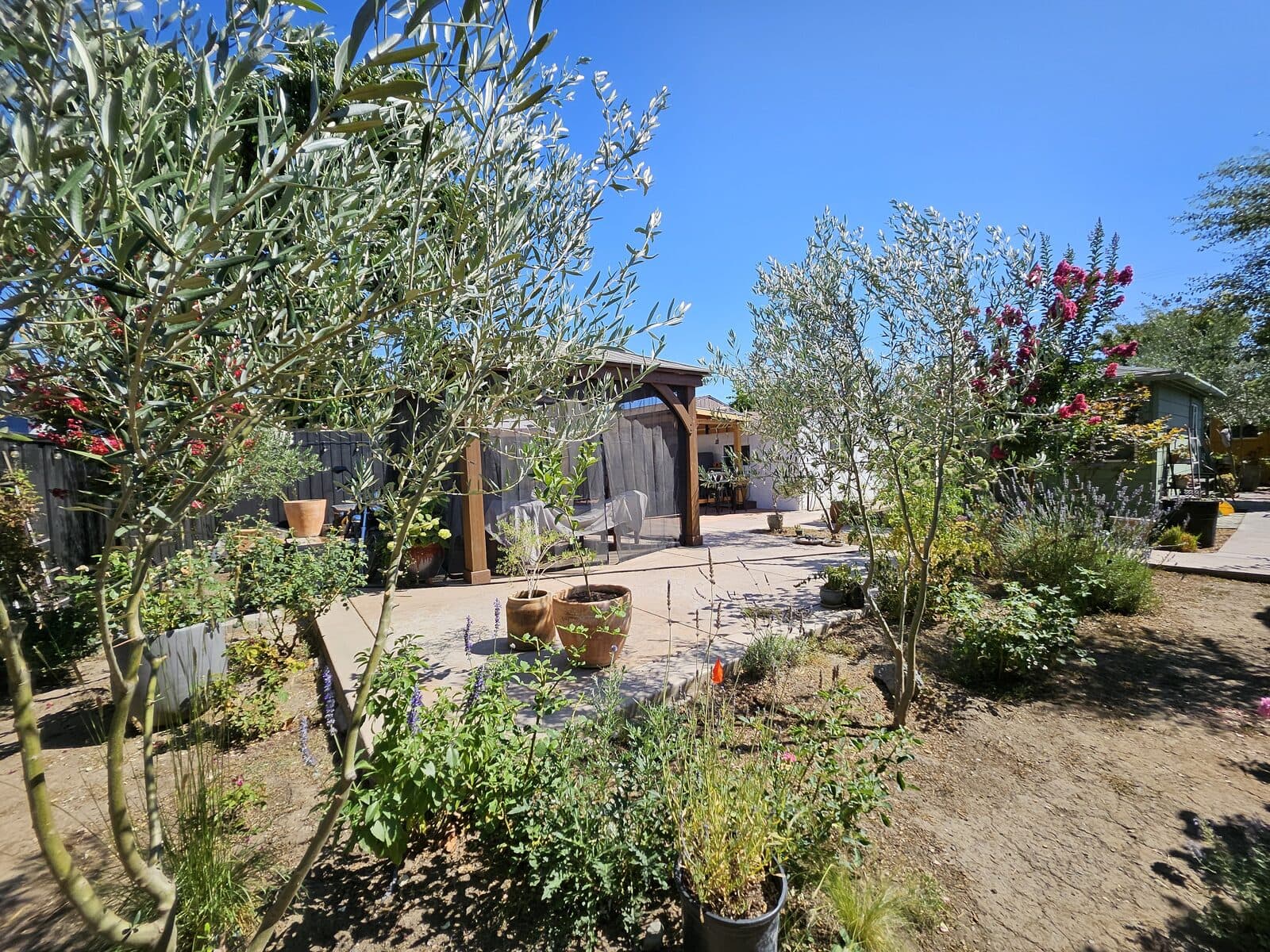
A thirsty front lawn reworked into a structure-and-matrix planting anchored by feather grass and salvia, with a climbing rose hedge softening the walk to the door.
A few lines about the property and what’s not working today is plenty to start. I reply personally, usually within a couple of days.